The Annotated Archives of Arthur Llewellyn Basham
Articles
Arthur Llewellyn Basham (b.1914, Loughton, UK—d.1986 Calcutta, India) was Professor of the History of South Asia at the School of Oriental and African Studies, University of London, and from 1965, Professor of Asian Civilizations at the Australian National University, until his retirement in 1979.
-
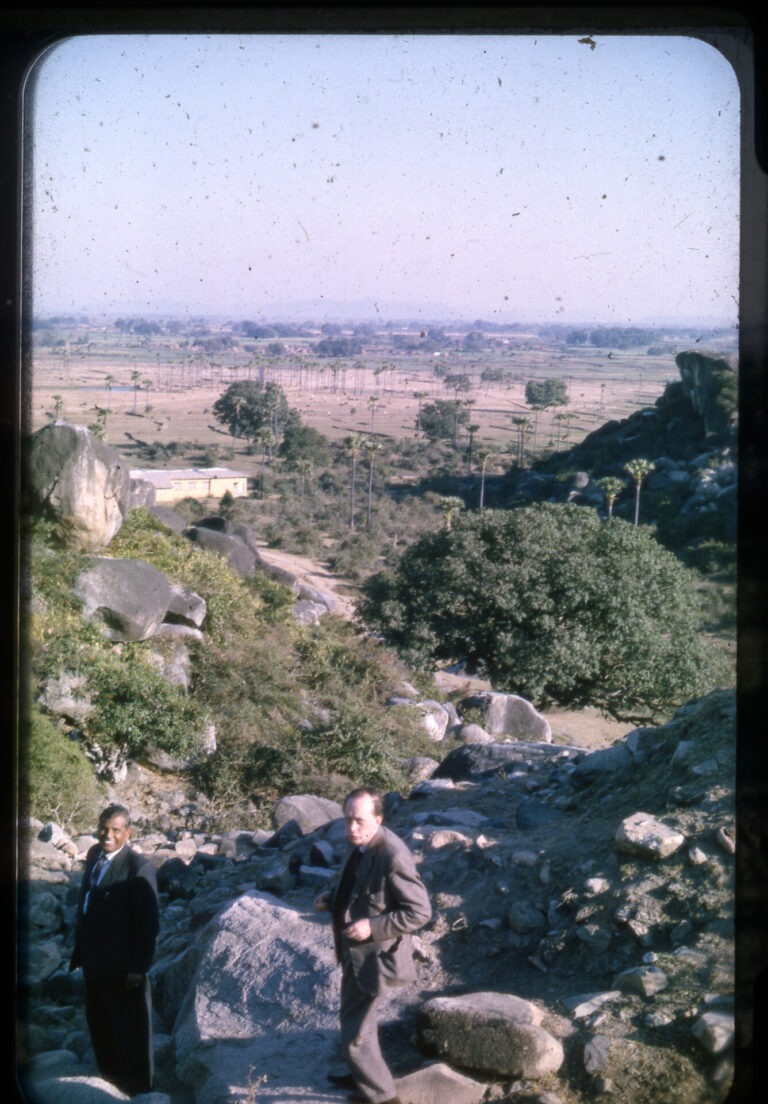 Arthur Llewellyn Basham (b.1914, Loughton, UK—d.1986 Calcutta, India) was Professor of the History of South Asia at the School of Oriental and African Studies, University of London, and from 1965, Professor of Asian Civilizations at the Australian National University, until his retirement in 1979.Chaitanya Sambrani
 -
 The Ashmolean Museum’s Department of Eastern Art holds a rich collection of South Asian archival material relating to Oxford’s old Indian Institute (c.1870-1960), Eugene Clutterbuck Impey’s negatives of photographs (1851-1878), and the papers of Basham’s contemporaries William Cohn (1880-1961), Douglas Barrett (1917-1992) and James Harle (1920-2004).Mallica Kumbera Landrus
 -
 This essay asks if Basham’s digitized archive can serve as a useful site to delineate his contributions to the rapidly growing scholarly and pedagogical pursuit of Asian art history? Can one read and annotate the digitized archive to delineate patterns which may have remained out of view from Basham’s physical cabinets? However, before we answer these questions, we need to situate Asian art history in a longer historical trajectory which pre-dates the decade of the1950s and its decolonizing accent.Priya Maholay-JARADI
 -
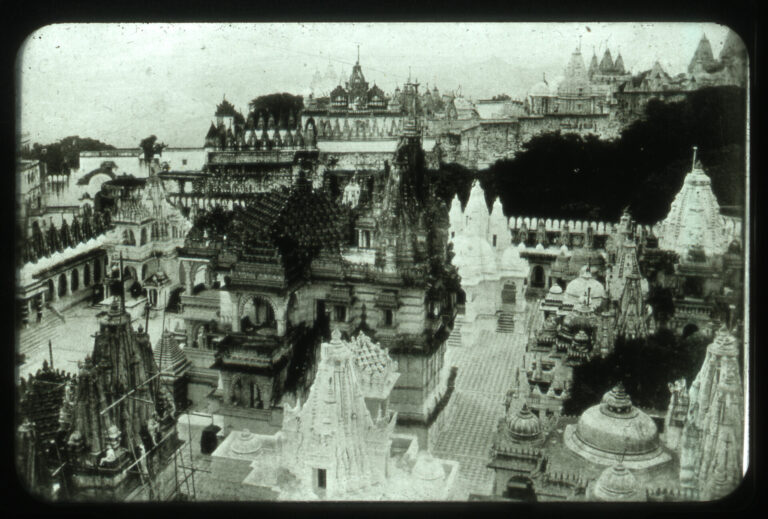
 Basham’s involvement with the city of Calcutta, the erstwhile capital of British India, underlies (and underlines) the significance of the Riverine Metropolis as a place of tremendous cultural coalescence in pre-colonial, colonial and post-colonial times. Its architecture, archival and museum collections figure prominently in the Basham archive and are analysed in our digital platform The ‘Wonders’ that Basham Saw. Significant focal points include ‘indigenous’ structures such as the Dakshineshwari Temple, and ‘colonial’ ones such as the Victoria Memorial. Layers of pre-colonial, colonial and post-colonial art and design are discernible across collections such as the Asiatic Society and Indian Museum, and in places of worship including the Jain temple (1867) and Ramakrishna Mission (Belur Math, early 20th century).Chaitanya Sambrani
 -
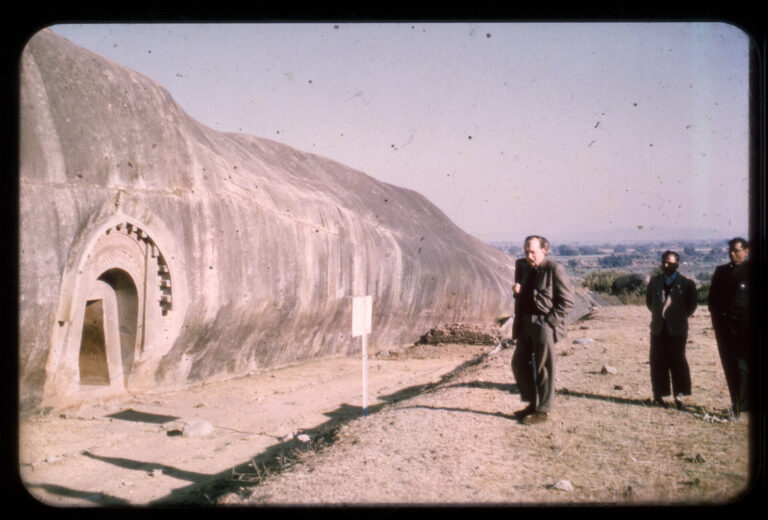 The caves date from the 4th to 2nd centuries BCE and are the oldest surviving example of rock-cut architecture in the Indian subcontinent.Chaitanya Sambrani
The Wonders that Basham Saw
The Basham Project was supported by the ANU Global Partnerships Research Scheme. If you would like to contribute to this work please contact Chaitanya.Sambrani@anu.edu.au.




© The Wonders that Basham Saw · Contact Us